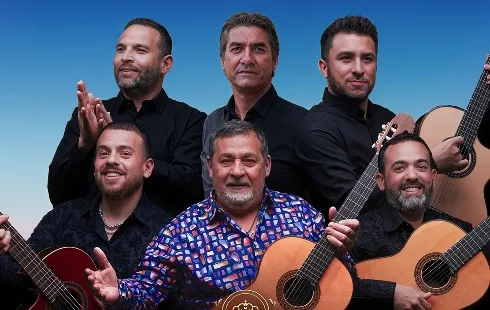
Gipsy Kings: "Music Is a Natural Way of Life"
Section: Arts
The British Broadcasting Corporation (BBC) has firmly rejected the possibility of a successful defamation lawsuit from former United States President Donald Trump. The broadcaster's leadership emphasized that there is no legal basis for such a claim, following recent statements from Trump regarding potential legal action.
The dispute centers on the BBC's use of edited footage from a speech delivered by Trump on January 6, 2021. The broadcast segment in question was featured in the investigative program 'Panorama.' For this segment, selected excerpts from Trump's address were condensed and presented in a shortened format. Trump's concerns relate to the way in which the speech was edited, alleging that the broadcast may have misrepresented his statements.
The January 6 speech is historically significant, as it was delivered on the day when a violent breach occurred at the US Capitol in Washington, D.C. The event coincided with the certification of election results in favor of President Joe Biden. During his speech, Trump reiterated his viewpoint that the 2020 presidential election outcome was not legitimate, a claim that has repeatedly been challenged and disproven by multiple sources. Following his remarks, a group of his supporters entered the Capitol building, leading to widespread disruption and condemnation.
In response to questions regarding its editorial practices, the BBC acknowledged that the program involved editing parts of the former president's speech. The broadcaster explained that the intention was to condense a lengthy public address into a shorter, more accessible format for viewers. The network clarified that there was no attempt to mislead audiences or to alter the meaning of Trump's original statements.
Trump stated during a conversation with journalists aboard Air Force One that he intended to pursue legal action against the BBC, with a potential claim ranging from one to five billion US dollars. According to his statements, he viewed the broadcaster's actions as defamatory and damaging to his reputation.
The BBC, in its communication to staff and legal representatives, maintained that its editorial decisions did not constitute defamation. The organization outlined several reasons why it believes the lawsuit would not succeed. One argument is that the 'Panorama' episode in question was distributed exclusively to UK audiences and was not made available through the BBC's American channels. Therefore, the broadcaster asserts that any alleged harm to Trump's reputation in the United States is unfounded.
Additionally, the BBC noted that Trump's public profile and political fortunes were not negatively affected by the airing of the program. In fact, the broadcaster highlighted that Trump subsequently won a presidential election, countering claims of reputational damage resulting from the broadcast.
Following the incident, the BBC issued an apology to Trump and confirmed that the contested episode would not be rebroadcast. However, the organization has refused to pay any financial compensation, standing by its position that the editorial decisions were justified and did not cross legal boundaries.
Media legal experts have indicated that defamation cases involving public figures, particularly in the United Kingdom, face high barriers to success. Courts often require proof that the broadcaster acted with actual malice or reckless disregard for the truth, criteria that are difficult to meet without clear evidence.
The BBC's stance reflects a broader commitment to defending its editorial independence, while also adhering to established legal norms. The broadcaster continues to monitor the situation, but remains firm in its assessment that the threat of litigation poses no substantive risk to its operations or reputation.
Section: Arts
Section: Fashion

Section: Health Insurance
Section: News

Section: Politics
Section: Business

Section: Health
Section: Arts

Section: Politics

Section: Business
Both private Health Insurance in Germany and public insurance, is often complicated to navigate, not to mention expensive. As an expat, you are required to navigate this landscape within weeks of arriving, so check our FAQ on PKV. For our guide on resources and access to agents who can give you a competitive quote, try our PKV Cost comparison tool.
Germany is famous for its medical expertise and extensive number of hospitals and clinics. See this comprehensive directory of hospitals and clinics across the country, complete with links to their websites, addresses, contact info, and specializations/services.
Didn't manage to get a ticket for Linkin Park? Or still not enough after the concert? Join us at CRASH on June 12th for our "IN THE END" Linkin Park Special + CORE NIGHT.All night long, we'll be playing Linkin Park's music, along with Nu Metal, Metalcore, and Alternative Rock from bands such as Limp...

No comments yet. Be the first to comment!