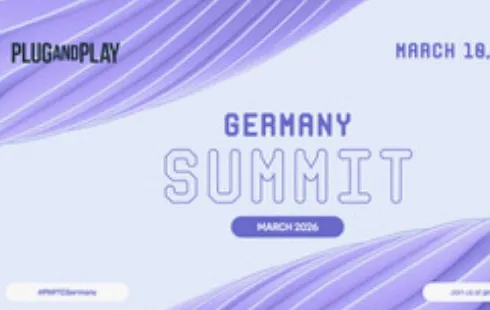
Munich Signals Its Ambition at Plug and Play Tech Center AI Summit
Section: Business
In Austria, over 1,800 tons of organic waste are disposed of in general trash every day, according to calculations from the Environment Agency. This significant amount of bio-waste is lost to composting processes and instead ends up incinerated. A recent survey conducted for the Association of Austrian Waste Management Companies (VOEB) revealed that only about 40% of residents in Vienna separate their organic waste properly, in stark contrast to more than 80% in many other Austrian provinces. As a result, industry stakeholders are urging the government to implement more effective waste collection systems.
Every year, Austria's waste bins contain hundreds of thousands of tons of organic material. This mismanagement not only hampers the potential for biological decomposition but also eliminates the possibility of recycling this waste into compost. The VOEB draws attention to this issue as the country approaches the Easter holiday, a time marked by increased waste generation.
Experts stress the importance of proper waste segregation, emphasizing that organic waste is a valuable resource that can be transformed into compost, enriching soil and contributing to sustainable agriculture. However, the current situation reflects a significant gap in public awareness and participation in recycling efforts, particularly in urban areas like Vienna.
To address these challenges, the VOEB is advocating for the implementation of more stringent federal guidelines that encourage better waste separation practices among citizens. Enhanced public education campaigns and improved collection infrastructures are also suggested as necessary steps to increase the rates of bio-waste recycling.
This call for action comes at a crucial time as Austria aims to meet its sustainability targets and reduce its carbon footprint. Effective management of bio-waste is essential not only for environmental preservation but also for promoting a circular economy where waste is minimized, and resources are reused.
The recycling of organic waste into compost not only closes the loop in waste management but also provides numerous environmental benefits, such as reducing greenhouse gas emissions from landfills and improving soil health. Therefore, the waste management sector is urging both the public and policymakers to recognize the importance of bio-waste separation and act accordingly.
Section: Business
Section: Health Insurance
Section: News
Section: Arts

Section: Health
Section: Fashion
Section: Politics

Section: Fashion

Section: News
Section: Fashion
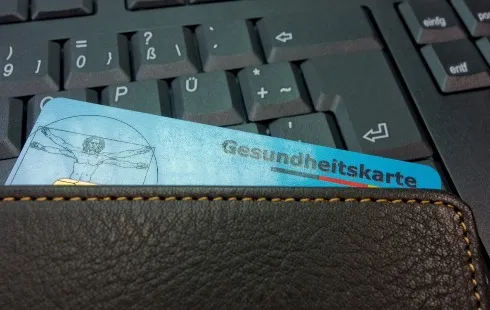
Both private Health Insurance in Germany and public insurance, is often complicated to navigate, not to mention expensive. As an expat, you are required to navigate this landscape within weeks of arriving, so check our FAQ on PKV. For our guide on resources and access to agents who can give you a competitive quote, try our PKV Cost comparison tool.
Germany is famous for its medical expertise and extensive number of hospitals and clinics. See this comprehensive directory of hospitals and clinics across the country, complete with links to their websites, addresses, contact info, and specializations/services.
Join us at the Kunstraum in der Au for the exhibition titled ,,Ereignis: Erzählung" by Christoph Scheuerecker, focusing on the captivating world of bees. This exhibition invites visitors to explore the intricate relationship between bees and their environment through various artistic expressions,...



No comments yet. Be the first to comment!