
Munich Signals Its Ambition at Plug and Play Tech Center AI Summit
Section: Business
On April 22, 1925, a noteworthy event unfolded in Paris, spotlighting a unique figure within the city's cultural landscape. An artist ball, organized by the renowned international painter community in the Montparnasse district, drew attention to an unexpected yet significant character in Parisian history: M. Zamaron, the local police commissioner.
While his role typically involved overseeing public order and ensuring that festivities adhered to certain standards, Zamaron's influence extended far beyond mere regulation. Known for his stern demeanor, he was also a dedicated supporter of the arts, embodying the duality of authority and patronage. His presence at social events was not merely as a guardian of decorum; he actively participated in promoting artistic endeavors, demonstrating a deep appreciation for cultural expression.
Despite the stereotype of law enforcement being strictly about control and enforcement, Zamaron's commitment to the creative community was noteworthy. He was recognized for using his resources to acquire works from local artists, thereby fostering a vibrant cultural scene amidst the bustling life of Paris. This duality of his role highlights an intriguing aspect of societal structure during that era, where individuals in positions of authority could also serve as benefactors to the arts.
The artist ball itself became a melting pot of creativity, showcasing not only the talents of various painters but also acting as a platform for dialogue among artists, intellectuals, and patrons. In a city known for its rich artistic heritage, such events played a crucial role in sustaining the cultural vibrancy that Paris was celebrated for in the early 20th century.
Zamaron's actions raise important questions about the interplay between authority and creativity. How can those in positions of power contribute positively to the cultural fabric of society? His legacy serves as a reminder of the potential for collaboration between law enforcement and the arts, suggesting that they need not be at odds but can instead coexist harmoniously.
As we reflect on this historical moment, it is vital to recognize the significance of such figures who bridged the gap between governance and artistic expression. M. Zamaron's legacy reminds us that the roles of authority figures can extend beyond their immediate responsibilities, potentially enriching the cultural landscape.
Section: Business
Section: Health Insurance

Section: News

Section: Arts

Section: Health

Section: Fashion

Section: Politics

Section: Fashion

Section: News

Section: Fashion
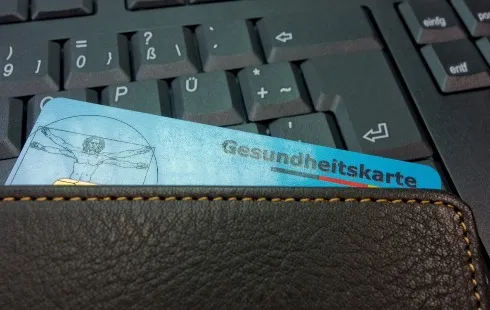
Both private Health Insurance in Germany and public insurance, is often complicated to navigate, not to mention expensive. As an expat, you are required to navigate this landscape within weeks of arriving, so check our FAQ on PKV. For our guide on resources and access to agents who can give you a competitive quote, try our PKV Cost comparison tool.
Germany is famous for its medical expertise and extensive number of hospitals and clinics. See this comprehensive directory of hospitals and clinics across the country, complete with links to their websites, addresses, contact info, and specializations/services.
Join us at the Kunstraum in der Au for the exhibition titled ,,Ereignis: Erzählung" by Christoph Scheuerecker, focusing on the captivating world of bees. This exhibition invites visitors to explore the intricate relationship between bees and their environment through various artistic expressions,...



No comments yet. Be the first to comment!