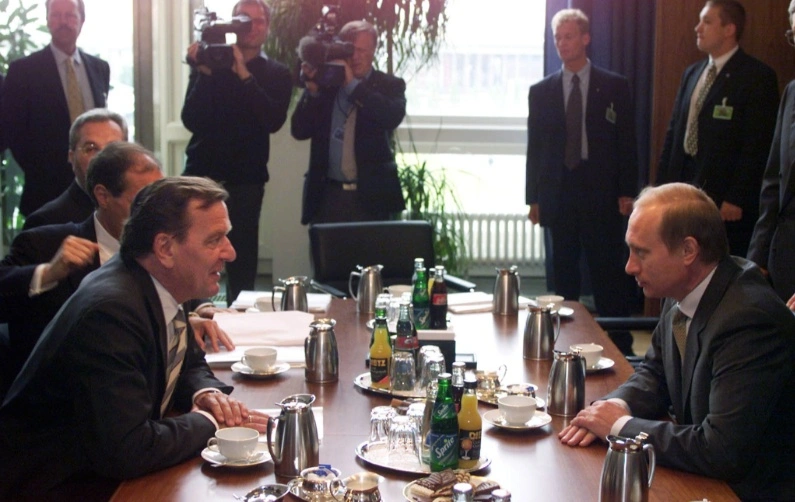
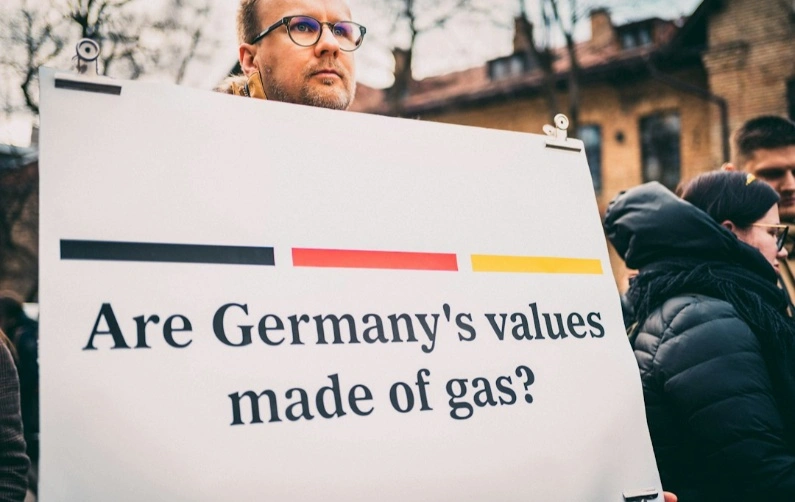
Former German Chancellor Schröder criticised for attending Putin's birthday
Section: News
The Iranian government is leveraging the current geopolitical climate to suppress dissent, resulting in a significant increase in opposition arrests. Despite the ongoing ceasefire, reports indicate targeted attacks have persisted.
In a display of solidarity against the United States and Israel, large crowds gathered in Tehran over the weekend. Thousands of mourners participated in a procession at the 'Islamic Revolution Square,' honoring the deceased commanders and nuclear scientists reportedly killed by Israeli forces. The somber atmosphere was marked by black-clad individuals waving Iranian flags.
As tensions escalate in the region, the Iranian administration has found an opportunity to rally public sentiment against perceived external threats. This strategy appears to unite segments of the population, who may otherwise express dissent against the regime. The government's actions have been characterized by a dual approach: fostering a narrative of national unity while simultaneously quelling internal opposition.
The recent demonstrations reflect a complex interplay of national pride and political maneuvering. The Iranian leadership has historically employed such events to reinforce its legitimacy amidst external pressures. By framing protests against foreign adversaries, the regime seeks to galvanize support while diverting attention from domestic issues.
While the protests serve as a platform for expressing anger towards the U.S. and Israel, they also highlight the precarious balance the Iranian government must maintain. The regime's reliance on nationalistic sentiments suggests it may view these protests as a vital tool in consolidating power and justifying its actions against dissenters.
Human rights organizations have raised alarms regarding the increasing number of arrests and crackdowns on opposition voices within Iran. Critics argue that such measures are indicative of a regime that feels threatened by both internal and external challenges. As the situation develops, observers will be monitoring how these dynamics influence Iran's domestic policies and its international relations.
In summary, the Iranian government's response to the protests against Israel and the U.S. reflects broader themes of nationalism and governance. As the regime continues to suppress dissent, the implications for civil liberties and political discourse within Iran remain critical issues for both citizens and the international community.
Section: News

Section: Science
Section: Business

Section: Business

Section: Science
Section: News
Section: Politics
Section: News

Section: Fashion
Section: Arts
Both private Health Insurance in Germany and public insurance, is often complicated to navigate, not to mention expensive. As an expat, you are required to navigate this landscape within weeks of arriving, so check our FAQ on PKV. For our guide on resources and access to agents who can give you a competitive quote, try our PKV Calculator.
Germany is famous for its medical expertise and extensive number of hospitals and clinics. See this comprehensive directory of hospitals and clinics across the country, complete with links to their websites, addresses, contact info, and specializations/services.
Didn't manage to get a ticket for Linkin Park? Or still not enough after the concert? Join us at CRASH on June 12th for our "IN THE END" Linkin Park Special + CORE NIGHT.All night long, we'll be playing Linkin Park's music, along with Nu Metal, Metalcore, and Alternative Rock from bands such as Limp...



No comments yet. Be the first to comment!