
Francis Halzen awarded Nobel Prize for groundbreaking neutrino discovery
Section: Science
The International Monetary Fund (IMF) has issued a warning that public debt levels in Europe could become unsustainable in the coming years if substantial economic reforms are not implemented. According to a recent IMF analysis, factors such as an ageing population, the green energy transition, and increased defense spending are expected to place significant pressure on government budgets by 2040.
Current fiscal policies, which often rely on gradual and incremental changes, are approaching their limits, the report notes. Many European countries are at risk of experiencing a sharp rise in their debt-to-GDP ratios if no decisive action is taken. The IMF projects that, without structural reforms, the average public debt ratio across Europe could reach approximately 130 percent of gross domestic product by 2040, nearly double the current level.
The IMF study highlights that by 2040, public expenditure could increase by nearly five percentage points of GDP on average across the region. This surge in spending is driven by demographic changes, particularly an increasing share of elderly citizens, as well as the financial requirements of the energy transition and heightened security concerns. At the same time, economic growth prospects are expected to remain subdued, limiting the ability of countries to grow out of their debt burdens.
In its recommendations, the IMF emphasizes the need for comprehensive fiscal strategies. These should combine structural reforms, fiscal consolidation, and, where necessary, fundamental decisions regarding the scope and financing of public services. The report suggests that moderate reform packages could address about one-third of the anticipated funding gap. Pension system reforms and measures to stimulate economic growth are identified as areas offering the greatest potential to improve fiscal sustainability. Nevertheless, additional consolidation efforts would still be required in most countries to ensure long-term budgetary stability.
Europe's extensive public sectors, including social welfare systems, healthcare, and free education, have historically contributed to economic growth, social cohesion, and political stability. However, the IMF warns that these benefits may come under increasing strain as fiscal pressures mount. The room for maneuver in Europe's public finances is expected to become more limited, as well as more politically sensitive, in the years ahead.
According to the IMF analysis, the traditional approach of tackling fiscal challenges with incremental or reactive measures is unlikely to suffice given the scale of the upcoming adjustments. The report encourages European governments to adopt forward-looking fiscal strategies that can help maintain the sustainability of public finances while continuing to support social and economic objectives.
Failure to address the emerging fiscal challenges could result in an "explosive" increase in debt ratios, with potentially serious implications for economic stability across the continent. The IMF's assessment underscores the urgency for policymakers to move beyond short-term fixes and embrace more comprehensive reforms tailored to each country's specific circumstances and fiscal outlook.
Section: Science

Section: News
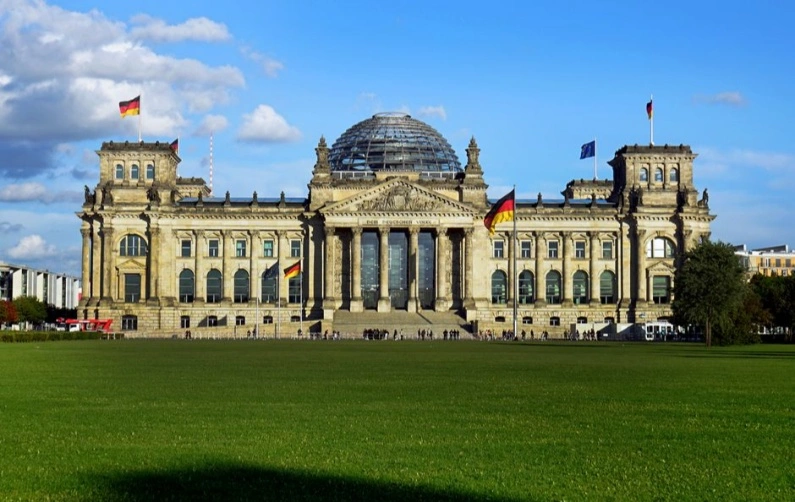
Section: Politics
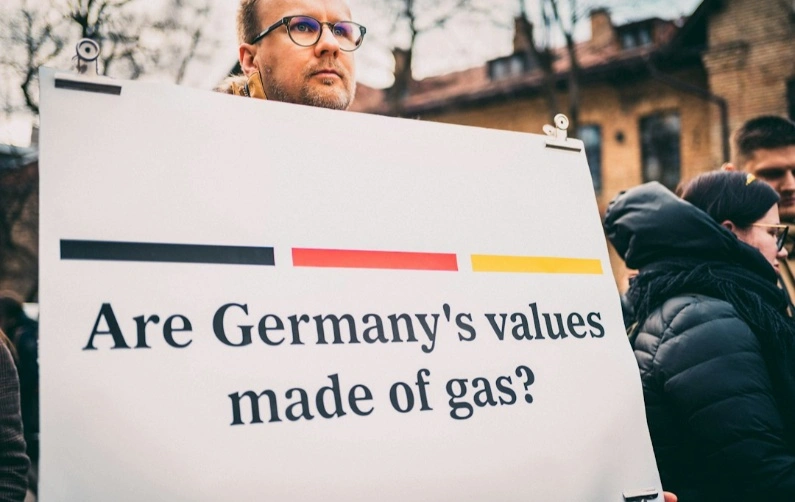
Section: News

Section: Fashion

Section: Arts

Section: Fashion

Section: Arts

Section: Business

Section: Business
Both private Health Insurance in Germany and public insurance, is often complicated to navigate, not to mention expensive. As an expat, you are required to navigate this landscape within weeks of arriving, so check our FAQ on PKV. For our guide on resources and access to agents who can give you a competitive quote, try our PKV Calculator.
Germany is famous for its medical expertise and extensive number of hospitals and clinics. See this comprehensive directory of hospitals and clinics across the country, complete with links to their websites, addresses, contact info, and specializations/services.
Didn't manage to get a ticket for Linkin Park? Or still not enough after the concert? Join us at CRASH on June 12th for our "IN THE END" Linkin Park Special + CORE NIGHT.All night long, we'll be playing Linkin Park's music, along with Nu Metal, Metalcore, and Alternative Rock from bands such as Limp...



No comments yet. Be the first to comment!