
Former German Chancellor Schröder criticised for attending Putin's birthday
Section: News
The recent approval of new antibody therapies for Alzheimer's disease, including lecanemab and donanemab, alongside blood diagnostic tests, heralds a transformative era in the management of this condition. Nevertheless, leading experts have cautioned that without swift reforms in healthcare systems, public policy, and social attitudes, the full potential of these advancements may not be realized.
Alzheimer's disease accounts for approximately 70% of dementia cases and is a significant cause of disability, leading to substantial societal and economic repercussions. In a groundbreaking analysis, experts have drawn parallels between the effectiveness of these new monoclonal antibody treatments and existing therapies for conditions like cancer, rheumatoid arthritis, and multiple sclerosis. However, they emphasize that variations in age, patient outcomes, and side effects warrant cautious interpretation of such comparisons.
Despite the promising efficacy of these therapies, challenges remain. The high costs associated with these medications, intricate testing requirements, inadequate care for behavioral symptoms, and a lack of resources threaten to marginalize Alzheimer's patients. On a positive note, advancements in preventative measures are emerging. New Brain Health Services aim to identify individuals at elevated risk of Alzheimer's, providing them with tailored treatment programs.
Importantly, the majority of Alzheimer's cases occur among individuals considered to be at low or normal risk. This underscores the necessity for broad public health initiatives designed to reduce risk factors. Strategies such as promoting healthier urban environments and implementing regulations on alcohol and sugary beverage consumption are deemed critical.
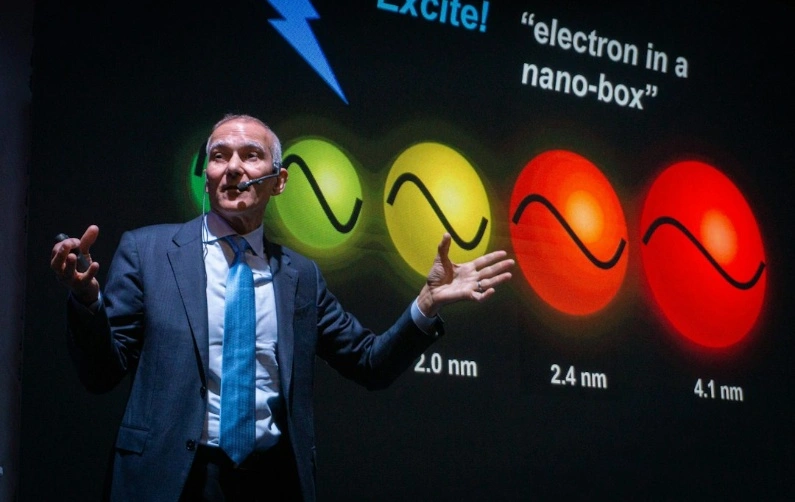
Experts are advocating for a coordinated global response to ensure that the rapid scientific progress in Alzheimer's research is matched by significant reforms in healthcare delivery, policy, and societal frameworks. Professor Giovanni Frisoni, a prominent figure in the field, underscores the importance of integrating these new diagnostic and treatment modalities with established care practices.
Furthermore, he highlights the need for general practitioners and dementia specialists to enhance their competencies in addressing the ongoing challenges in managing behavioral disorders, employing advanced diagnostic imaging, and providing psychosocial support. Such a comprehensive societal effort is essential to enable both current and future patients to fully benefit from the promising scientific and technological advancements in Alzheimer's care.
For more detailed insights into this topic, refer to the publication in The Lancet.
Section: News

Section: Science

Section: Business

Section: Business
Section: Science

Section: News

Section: Politics

Section: News

Section: Fashion

Section: Arts
Both private Health Insurance in Germany and public insurance, is often complicated to navigate, not to mention expensive. As an expat, you are required to navigate this landscape within weeks of arriving, so check our FAQ on PKV. For our guide on resources and access to agents who can give you a competitive quote, try our PKV Calculator.
Germany is famous for its medical expertise and extensive number of hospitals and clinics. See this comprehensive directory of hospitals and clinics across the country, complete with links to their websites, addresses, contact info, and specializations/services.
Didn't manage to get a ticket for Linkin Park? Or still not enough after the concert? Join us at CRASH on June 12th for our "IN THE END" Linkin Park Special + CORE NIGHT.All night long, we'll be playing Linkin Park's music, along with Nu Metal, Metalcore, and Alternative Rock from bands such as Limp...



No comments yet. Be the first to comment!