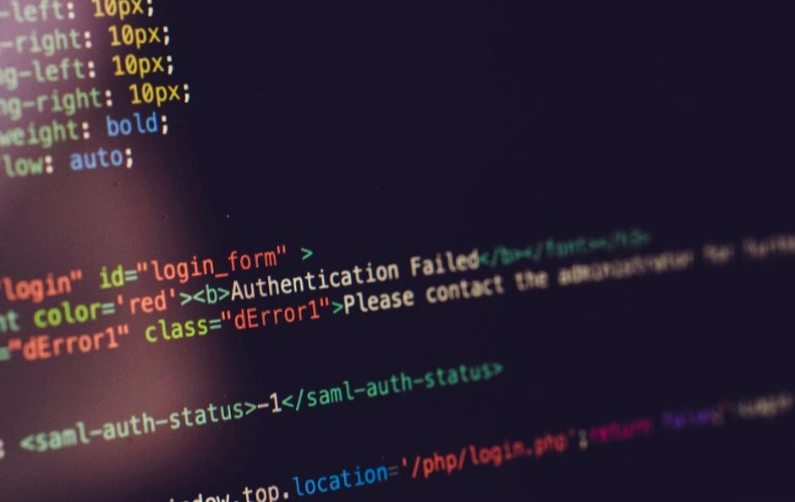
PHP vulnerability causes global disruptions
Section: Science
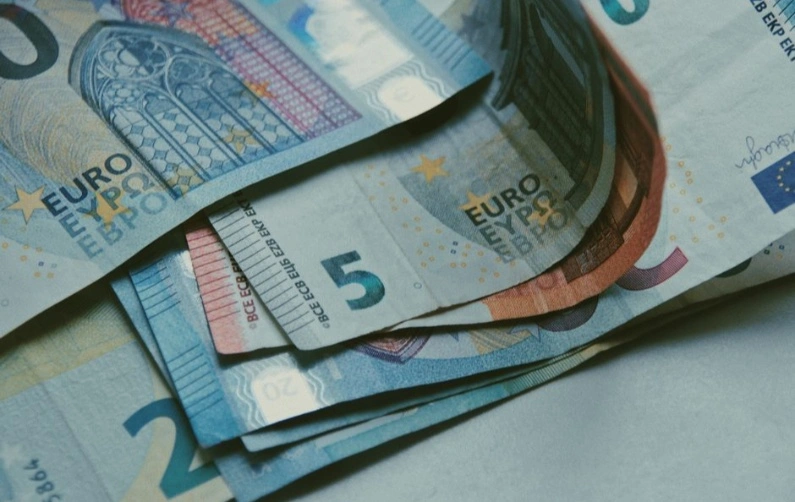
In light of rising energy prices, German state leaders are calling on the federal government to implement tax cuts and price caps to provide immediate relief to citizens. At a recent conference held in Berlin, the Minister Presidents of various German states emphasized the need for decisive action to reduce the electricity tax and introduce a cap on fuel prices.
The call for action comes as energy prices have surged in recent months, largely due to ongoing international crises that have disrupted supply chains and increased costs. The Minister President Conference (MPK) issued a resolution urging the federal government to utilize available financial leeway to lower the electricity tax for all consumers.
According to Gordon Schnieder, the Rheinland-Pfalz Minister President and current chairman of the MPK, the federal government has the fiscal capacity to implement these changes. "We have promised people that energy will become more affordable, especially electricity. We need to keep that promise," Schnieder stated.
Although the coalition agreement between the CDU and SPD had initially included a provision for reducing the electricity tax, the measure has so far been applied only to sectors such as industry, forestry, and agriculture. Calls for broader implementation have grown louder, especially as Chancellor Friedrich Merz has publicly supported a tax reduction, while Finance Minister Lars Klingbeil has voiced budgetary constraints as a hindrance.
The state leaders also stressed the importance of implementing a fuel price cap. This measure, they argued, would ensure fairness and prevent fuel costs from disproportionately benefiting large corporations. Olaf Lies, the Minister President of Lower Saxony, remarked that a cap would offer consumers the reassurance that they are not unfairly subsidizing corporate profits at the pump.
The push from state leaders for these measures comes amid growing public discontent over energy prices, which remain high compared to other countries even after previous relief efforts. The energy cost issue has become a significant domestic concern, affecting both households and businesses across Germany.
State leaders have expressed frustration over the federal government's slow progress on energy cost reforms. They emphasized the urgency of making electricity affordable for everyone, highlighting the need for immediate legislative action. This is seen as a critical step in helping households and businesses cope with escalating energy bills that have weighed heavily on the economy.
As the energy price debate continues, discussions between various government levels are expected to intensify. State leaders insist that the federal government has mechanisms to ease the financial burden on its citizens. However, the timing and feasibility of these proposals remain uncertain amid fiscal constraints and political negotiations.
While the MPK has made its stance clear, implementing such measures will likely require considerable political negotiation and compromise, with various stakeholders needing to align on budget allocations and legislative changes. The ongoing debate underscores the complexities involved in navigating energy policies in the context of global economic pressures.
The German public, particularly those in energy-intensive industries such as manufacturing, has expressed a desire for swift action to mitigate the impact of rising prices. Consumer advocates have also joined the call for transparency and fairness in energy pricing, advocating for government intervention to stabilize the market.
The prospect of reducing the electricity tax and capping fuel prices represents a significant potential change in Germany's approach to managing energy costs. Should these measures be adopted, they could set a precedent for other countries grappling with similar challenges.
As the situation develops, political leaders will continue to face pressure from constituents to address the financial strain of high energy prices. The MPK's recommendations have added further momentum to the debate as discussions move from proposals to potential implementation strategies.
Source: tagesschau.de
Section: Science
Section: News

Section: News
Section: Politics
Section: Politics
Section: News
Section: News
Section: Business

Section: Science
Section: Business
Both private Health Insurance in Germany and public insurance, is often complicated to navigate, not to mention expensive. As an expat, you are required to navigate this landscape within weeks of arriving, so check our FAQ on PKV. For our guide on resources and access to agents who can give you a competitive quote, try our PKV Calculator.
Germany is famous for its medical expertise and extensive number of hospitals and clinics. See this comprehensive directory of hospitals and clinics across the country, complete with links to their websites, addresses, contact info, and specializations/services.
Didn't manage to get a ticket for Linkin Park? Or still not enough after the concert? Join us at CRASH on June 12th for our "IN THE END" Linkin Park Special + CORE NIGHT.All night long, we'll be playing Linkin Park's music, along with Nu Metal, Metalcore, and Alternative Rock from bands such as Limp...


No comments yet. Be the first to comment!