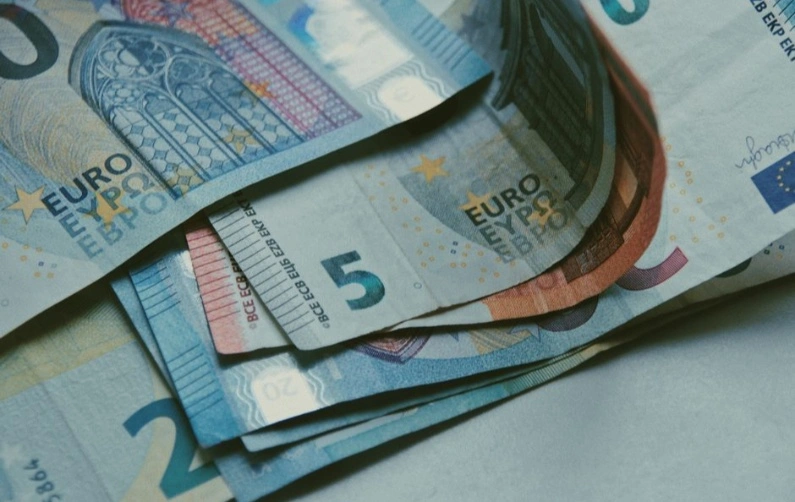
EU leaders meet to discuss future budget amid German demands for cuts
Section: Politics
The German government has approved a plan to introduce a sugar tax on beverages, a measure aimed at reducing sugar consumption among the population. Announced on October 14, 2026, this policy is part of broader efforts to address health concerns related to high sugar intake.
The newly proposed tax will target sugary drinks, including sodas and other beverages with added sugar. The government hopes to see a decrease in consumption of these high-calorie drinks, which are often linked to obesity and other health issues such as diabetes and heart disease.
According to government officials, the introduction of the sugar tax reflects a commitment to improve public health and reduce medical costs associated with sugar-related illnesses. Officials anticipate that the tax will also encourage manufacturers to reformulate their products, offering consumers healthier options with reduced sugar content.
The decision comes amid growing concern over rising obesity rates in Germany. Recent statistics indicate that a significant portion of the population is affected by overweight and obesity, which places a strain on the healthcare system. By targeting sugary beverages, the government aims to curb one of the major sources of excessive sugar consumption.
The sugar tax strategy is part of a broader initiative by the German government to promote healthier eating habits and improve overall public wellness. Government spokespersons have noted that similar measures in other countries have been effective in reducing sugar consumption and improving public health outcomes.
The beverage industry, however, has raised concerns about the new tax, arguing that it may negatively impact business and lead to increased costs for consumers. Industry representatives are expected to push for adjustments or exemptions before the policy takes full effect. Some companies have already started reducing sugar content in preparation for the impending changes.
Public reaction to the sugar tax has been mixed. Advocates for public health have welcomed the move, citing the need for strong measures to tackle modern health challenges. Critics, on the other hand, have expressed worry over the financial burden it might place on lower-income families and question its overall effectiveness in changing consumer behavior.
Germany's decision to implement a sugar tax follows similar efforts in countries such as the United Kingdom, where a sugar levy was introduced with the goal of prompting healthier consumer choices and lowering obesity rates. Evaluations of the UK's sugar tax revealed reductions in sugar levels in many beverages, suggesting potential for success in Germany as well.
As the government begins the process of implementing the tax, discussions will focus on the specifics of the levy, including the tax rate and the threshold of sugar content required for a beverage to be taxed. These details will be crucial in determining the measure's effectiveness in meeting its public health objectives.
The sugar tax aligns with global trends aiming to promote healthier lifestyle choices through fiscal policy. As countries continue to grapple with the impacts of high sugar consumption on public health, Germany's policy might provide valuable insights into the efficacy of such measures.
Source: tagesschau.de
Section: Politics

Section: Politics

Section: News
Section: News

Section: Science

Section: Business

Section: Business

Section: Science
Section: News
Section: Politics
Both private Health Insurance in Germany and public insurance, is often complicated to navigate, not to mention expensive. As an expat, you are required to navigate this landscape within weeks of arriving, so check our FAQ on PKV. For our guide on resources and access to agents who can give you a competitive quote, try our PKV Calculator.
Germany is famous for its medical expertise and extensive number of hospitals and clinics. See this comprehensive directory of hospitals and clinics across the country, complete with links to their websites, addresses, contact info, and specializations/services.
Didn't manage to get a ticket for Linkin Park? Or still not enough after the concert? Join us at CRASH on June 12th for our "IN THE END" Linkin Park Special + CORE NIGHT.All night long, we'll be playing Linkin Park's music, along with Nu Metal, Metalcore, and Alternative Rock from bands such as Limp...

No comments yet. Be the first to comment!