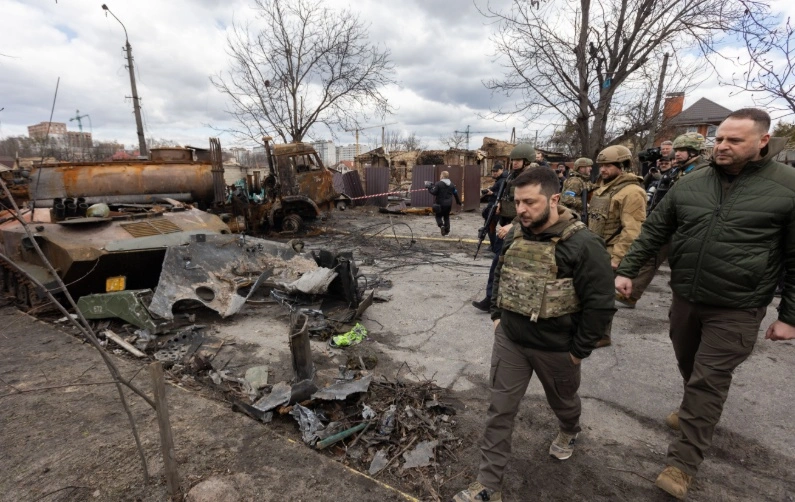
Zelensky urges US to enforce limited ceasefire
Section: Politics
German Chancellor Friedrich Merz has announced a significant reduction in the electricity tax for private households. The decision, revealed on October 12, 2026, is part of the government's broader strategy to alleviate the financial burden on citizens amid rising energy costs.
The move comes as Germany continues to grapple with high energy prices, exacerbated by global market fluctuations and domestic policy shifts in the energy sector. By reducing the electricity tax, the government aims to make energy costs more manageable for households across the country.
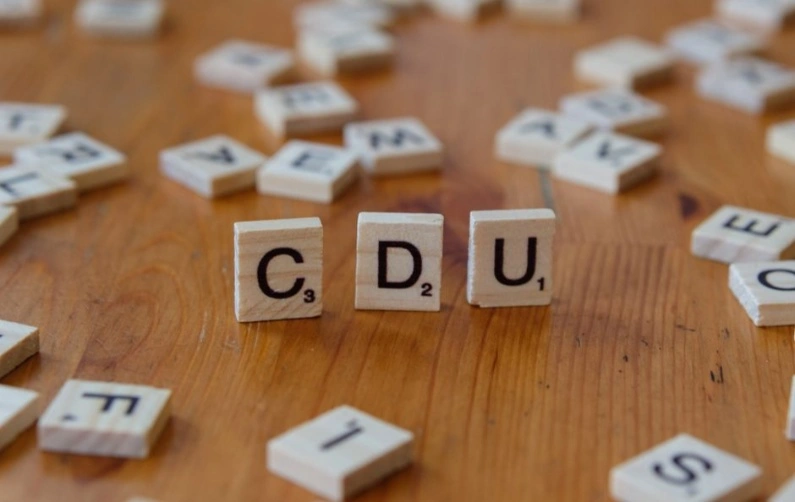
Merz, leading the Christian Democratic Union (CDU), made the announcement during a session focused on economic and energy policies. The Chancellor emphasized the need to provide immediate relief to consumers while also working on long-term solutions to secure Germany’s energy future.
Opposition parties and various economic experts have been calling for such measures in recent months, as families faced increasing utility bills. The pressure on the government had been mounting, with public demonstrations and media outlets highlighting the plight of everyday citizens struggling with energy costs.
According to preliminary government estimates, the reduction in the electricity tax could save the average household a substantial amount annually, though exact figures have not been finalized. The government is expected to release detailed implementation plans in the coming weeks, outlining how the tax reduction will be rolled out and monitored.
Chancellor Merz's administration has been actively exploring ways to transition Germany towards more sustainable energy sources. This tax relief is viewed as a stop-gap measure to ease the immediate financial stress on households, while longer-term initiatives continue to evolve.
Industry experts have largely welcomed the announcement, suggesting it could stimulate economic activity by freeing up disposable income for consumers. However, some critics caution that the tax cut must be paired with efforts to enhance energy efficiency and invest in renewable energy infrastructure to ensure energy security and environmental sustainability.
In particular, the government has been under scrutiny for its environmental policies, with advocates urging accelerated investments in wind, solar, and other renewable resources. Merz's announcement comes at a time when Germany is under international pressure to meet environmental commitments and reduce its carbon footprint.
The electricity tax reduction is set to take effect in stages, with the initial phase expected to begin early next year. The government has assured citizens that the process will be transparent and that efforts will be made to ensure the savings are passed on in full to consumers.
As the announcement gains traction, financial markets have shown mixed reactions. Utility companies are assessing the potential impacts on their operations and financial reports, while consumers express cautious optimism about the relief on their impending utility bills.
The energy sector remains a critical point of focus within the German economy, and the government's handling of energy pricing will likely remain a significant topic of public discourse. Analysts will be watching closely to see how these changes affect both short-term energy costs and the long-term positioning of Germany’s energy policies.
While this measure marks a substantial policy shift under Chancellor Merz’s leadership, the path forward involves complex considerations of energy security, economic strategies, and environmental responsibilities.
Section: Politics
Section: News
Section: News

Section: Science

Section: Business
Section: Business
Section: Science
Section: News
Section: Politics
Section: News
Both private Health Insurance in Germany and public insurance, is often complicated to navigate, not to mention expensive. As an expat, you are required to navigate this landscape within weeks of arriving, so check our FAQ on PKV. For our guide on resources and access to agents who can give you a competitive quote, try our PKV Calculator.
Germany is famous for its medical expertise and extensive number of hospitals and clinics. See this comprehensive directory of hospitals and clinics across the country, complete with links to their websites, addresses, contact info, and specializations/services.
Didn't manage to get a ticket for Linkin Park? Or still not enough after the concert? Join us at CRASH on June 12th for our "IN THE END" Linkin Park Special + CORE NIGHT.All night long, we'll be playing Linkin Park's music, along with Nu Metal, Metalcore, and Alternative Rock from bands such as Limp...

No comments yet. Be the first to comment!