
German companies unprepared for AI-based cyber attacks
Section: Science
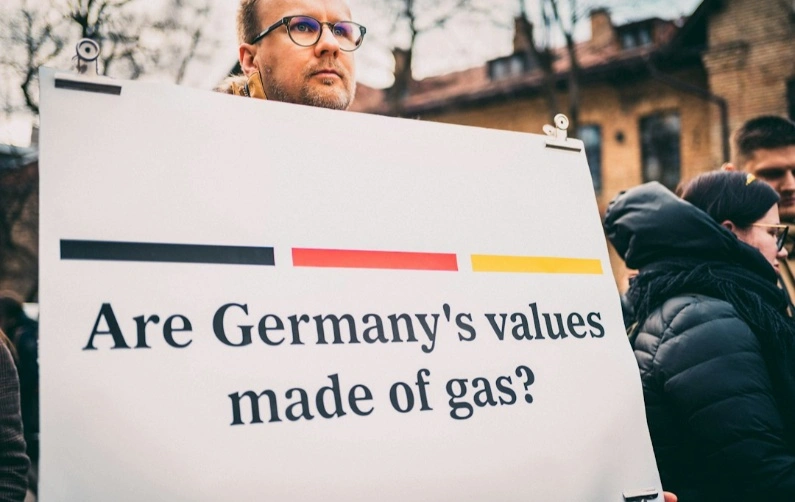
The European Union has reached an agreement to implement a comprehensive ban on the import of Russian natural gas beginning at the end of 2027. This decision was made in coordination between representatives of EU member state governments and the European Parliament, aiming to further reduce the bloc's reliance on Russian energy resources.
The move has prompted significant debate across Europe, particularly among countries that remain heavily dependent on Russian gas supplies. Industry stakeholders have expressed concern about potential impacts on energy security, industrial competitiveness, and economic stability within the EU. According to recent assessments, a substantial portion of Europe's energy needs continues to be met by Russian gas, making the transition away from these imports both complex and potentially costly.
Critics of the measure argue that the ban could exacerbate the challenges already faced by European industries, which have been grappling with rising energy costs in recent years. They warn that the decision may lead to increased production costs, job losses, and a reduction in the international competitiveness of European businesses. There are also apprehensions that the policy could trigger a broader cycle of economic decline, including heightened unemployment and potential deindustrialization in certain sectors.
Supporters of the ban, however, emphasize the importance of reducing the EU's dependence on Russian energy for both strategic and ethical reasons. They argue that moving away from Russian gas is a necessary step towards ensuring greater energy independence and reinforcing the EU's commitment to its foreign policy objectives. In supporting the measure, proponents have highlighted the need to diversify energy sources and invest in alternative supplies, such as liquefied natural gas (LNG) from other regions.
Nonetheless, there are concerns about the economic and environmental implications of switching to alternative energy sources. LNG, for instance, is generally more expensive than pipeline gas and requires significant infrastructure for import and distribution. Moreover, the process of transporting and handling LNG can have a higher environmental footprint compared to traditional gas supplies. Some member states have also experienced delays and complications in securing long-term LNG contracts, further complicating the transition process.
In the context of these developments, the Austrian government has faced criticism from several quarters for its stance on the ban. Some political figures argue that approving the measure without securing exemptions or extended transition periods, as obtained by countries like Slovakia and Hungary, could jeopardize Austria's energy sovereignty and economic well-being. They contend that such concessions would have provided Austrian industries with additional time to adapt to the new energy landscape and mitigate potential disruptions.
The EU's decision reflects a broader shift in European energy policy, with an increasing focus on diversification, sustainability, and strategic autonomy. However, the practical challenges associated with this transition remain considerable, particularly for nations and industries that are highly dependent on Russian energy imports. Policymakers are now tasked with balancing the need for security and independence with the imperative to maintain economic stability and protect jobs.
As the 2027 deadline approaches, the European Union and its member states are expected to intensify efforts to secure alternative energy supplies and implement measures to support affected industries and consumers. The coming years will likely see increased investment in renewable energy, energy efficiency, and infrastructure development as the continent adapts to a new era of energy policy.
Section: Science
Section: Business

Section: Business
Section: Science
Section: News
Section: Politics
Section: News

Section: Fashion
Section: Arts

Section: Fashion
Both private Health Insurance in Germany and public insurance, is often complicated to navigate, not to mention expensive. As an expat, you are required to navigate this landscape within weeks of arriving, so check our FAQ on PKV. For our guide on resources and access to agents who can give you a competitive quote, try our PKV Calculator.
Germany is famous for its medical expertise and extensive number of hospitals and clinics. See this comprehensive directory of hospitals and clinics across the country, complete with links to their websites, addresses, contact info, and specializations/services.
Didn't manage to get a ticket for Linkin Park? Or still not enough after the concert? Join us at CRASH on June 12th for our "IN THE END" Linkin Park Special + CORE NIGHT.All night long, we'll be playing Linkin Park's music, along with Nu Metal, Metalcore, and Alternative Rock from bands such as Limp...



No comments yet. Be the first to comment!