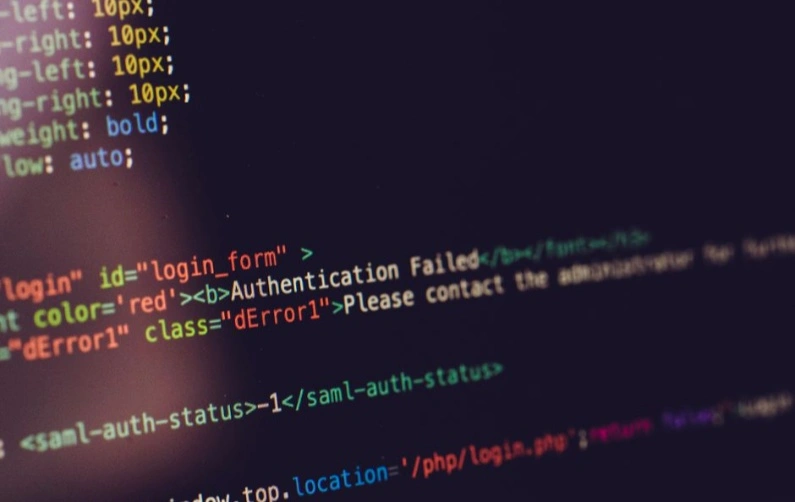
PHP vulnerability causes global disruptions
Section: Science
The European Union has decided to extend its sanctions on Russia for another three years, targeting approximately 3,000 individuals and organizations. This decision, agreed upon shortly before the expiration deadline, includes notable changes. Russian oligarchs Alisher Usmanov and Mikhail Fridman have been removed from the sanctions list, according to diplomatic sources speaking on Tuesday. The extension and adjustments are seen as part of the ongoing EU strategy to address tensions with Russia.
This move has received criticism from Ukraine, where officials described the removal of Usmanov and Fridman from the sanctions list as "shameful." Kyiv's response underscores the sensitive nature of sanction policies amid the ongoing conflict between Ukraine and Russia, which has seen extensive international involvement and measures aimed at pressuring Russian elites.
The EU's sanctions, which target sectors of the Russian economy and specific individuals believed to be supporting the Russian government's actions, have been a tool for political leverage since Russia's annexation of Crimea in 2014. These measures aim to restrict access to financial markets and limit business dealings with European entities.
Alisher Usmanov, a prominent Russian billionaire with substantial business interests in Europe, and Mikhail Fridman, another significant figure in Russia's business community, were initially included in the EU sanctions list based on allegations of their ties to the Kremlin and involvement in the broader network supporting Russian policy actions. Their removal from the list comes as the EU balances its strategies between maintain a firm stance against Russia and addressing potential legal and diplomatic hurdles.
The extension of the sanctions reflects the EU's continued commitment to apply pressure on Russia, which has faced international condemnation over its actions in Ukraine. However, the removal of select individuals from the list indicates that the EU might be considering changes in its approach, possibly aiming for more targeted sanctions.
Diplomatic sources suggested that legal challenges and insufficient evidence might have influenced the decision to delist Usmanov and Fridman. These arguments have been a point of contention, with some EU nations pushing for a stronger stance, while others advocate for a legal review process for individuals contesting their inclusion on the sanctions list.
Russia, for its part, has often dismissed EU and other international sanctions as politically motivated, arguing that they violate international laws and norms. Russian officials continue to press for these restrictions to be lifted, citing economic harm and the impact on relations with Europe.
European foreign ministers are expected to continue discussions on the sanctions policy as they navigate the complex geopolitical landscape. The extension of the sanctions for another 36 months clearly signals a sustained effort to maintain pressure on Russia, though it is apparent that internal EU dynamics and international responses will continue to shape how these measures are implemented.
The broader implications of the EU's sanction policy and the recent delisting remain to be seen. Observers note that such decisions could have ripple effects on EU-Russia relations and might influence other international actors engaged in sanctioning measures against Russia.
In the meantime, the EU's decision reaffirms its long-term commitment to its current foreign policy stance, closely coordinating with allies in the wake of continued uncertainty in Eastern Europe. As tensions remain high and international efforts to stabilize the region continue, the effectiveness and adaptability of sanctions as a tool of international diplomacy will likely be scrutinized.
Source: stern.de
Section: Science
Section: News
Section: News
Section: Politics
Section: Politics
Section: News
Section: News
Section: Business

Section: Science
Section: Business
Both private Health Insurance in Germany and public insurance, is often complicated to navigate, not to mention expensive. As an expat, you are required to navigate this landscape within weeks of arriving, so check our FAQ on PKV. For our guide on resources and access to agents who can give you a competitive quote, try our PKV Calculator.
Germany is famous for its medical expertise and extensive number of hospitals and clinics. See this comprehensive directory of hospitals and clinics across the country, complete with links to their websites, addresses, contact info, and specializations/services.
Didn't manage to get a ticket for Linkin Park? Or still not enough after the concert? Join us at CRASH on June 12th for our "IN THE END" Linkin Park Special + CORE NIGHT.All night long, we'll be playing Linkin Park's music, along with Nu Metal, Metalcore, and Alternative Rock from bands such as Limp...



No comments yet. Be the first to comment!