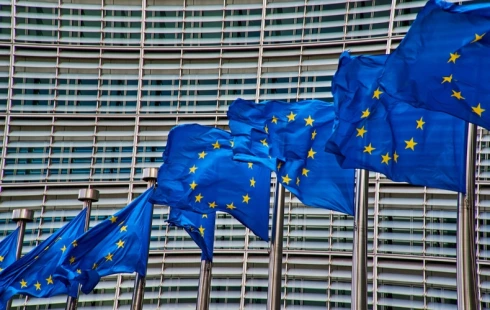
 The European Commission has proposed mobilising 489 million euros to help Spain, Portugal, Italy and Malta recover from severe storms and flooding that struck the four countries in January and February this year, according to the Commission's own announcement.
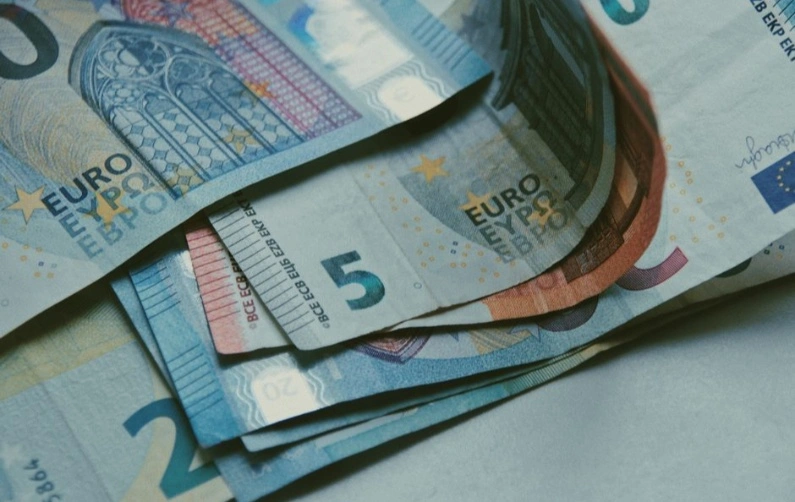
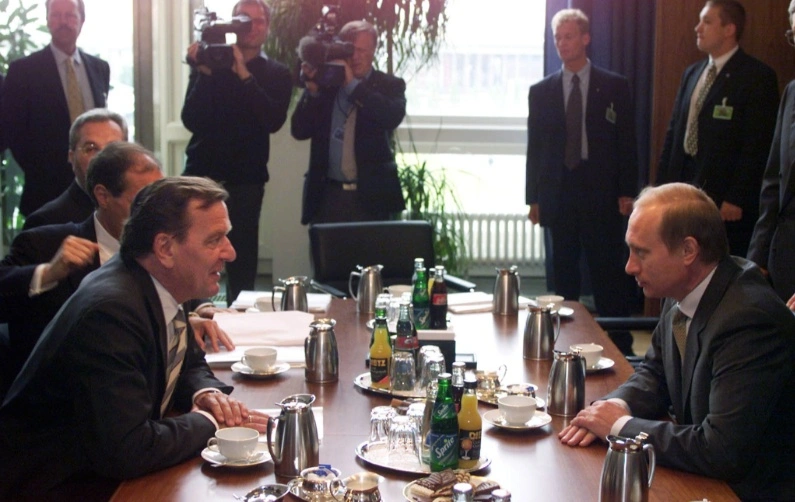
EU leaders meet to discuss future budget amid German demands for cuts
Section: Politics
The Commission says the money will go toward rebuilding transport infrastructure and reestablishing essential services in the affected regions. Storms and flooding earlier this year caused significant damage across parts of southern Europe, and this funding package is aimed specifically at recovery work rather than longer term prevention measures, which typically fall under separate EU climate adaptation programs.
The announcement lands just weeks after Commission President Ursula von der Leyen used her State of the Union address on September 16 to place climate resilience near the top of the EU's agenda for the year ahead. Von der Leyen positioned environmental strategy alongside major digital safety initiatives like the EU KIDS Act and broader policies on artificial intelligence and migration. Von der Leyen used that address to unveil a new European Heatwave Plan, designed to help member states prepare for intense heat events expected to return next summer, alongside a Climate Insurance Alliance intended to help close the financing gap between the cost of climate damage and the money currently available to address it.
Taken together, the storm recovery funding and these newer initiatives point to a consistent pattern in how Brussels has approached climate related damage this year: treating it less as a series of isolated national emergencies and more as a recurring, bloc wide budget item that needs dedicated financial instruments rather than one off emergency relief each time.
Grouping Spain, Portugal, Italy and Malta into a single funding proposal reflects how the same weather systems moving across southern Europe in January and February caused damage across multiple countries within a short window, rather than each nation facing an isolated, unrelated event. Coordinating aid at the EU level for events like this allows the Commission to move a single proposal through its budget process rather than negotiating separate national packages, though the actual funds are still distributed according to each country's assessed damage and recovery needs.
Commission funding proposals of this kind generally require approval through the EU's budgetary procedures before money is actually disbursed to member states. As the European Parliament handles these financial packages alongside other major legislative shifts, such as the ongoing EU Customs Code reform, the review process can take several weeks depending on committee timelines. For residents and businesses in the affected regions, the practical impact will depend on how national governments in Spain, Portugal, Italy and Malta choose to allocate their share of the funds once approved, since the Commission's role is to provide the financing rather than to manage individual reconstruction projects on the ground.
Source: European Union official news portal
Image by NakNakNak from Pixabay
Section: Politics
Section: Politics
Section: News
Section: News

Section: Science

Section: Business

Section: Business
Section: Science
Section: News
Section: Politics
Both private Health Insurance in Germany and public insurance, is often complicated to navigate, not to mention expensive. As an expat, you are required to navigate this landscape within weeks of arriving, so check our FAQ on PKV. For our guide on resources and access to agents who can give you a competitive quote, try our PKV Calculator.
Germany is famous for its medical expertise and extensive number of hospitals and clinics. See this comprehensive directory of hospitals and clinics across the country, complete with links to their websites, addresses, contact info, and specializations/services.
Didn't manage to get a ticket for Linkin Park? Or still not enough after the concert? Join us at CRASH on June 12th for our "IN THE END" Linkin Park Special + CORE NIGHT.All night long, we'll be playing Linkin Park's music, along with Nu Metal, Metalcore, and Alternative Rock from bands such as Limp...



No comments yet. Be the first to comment!