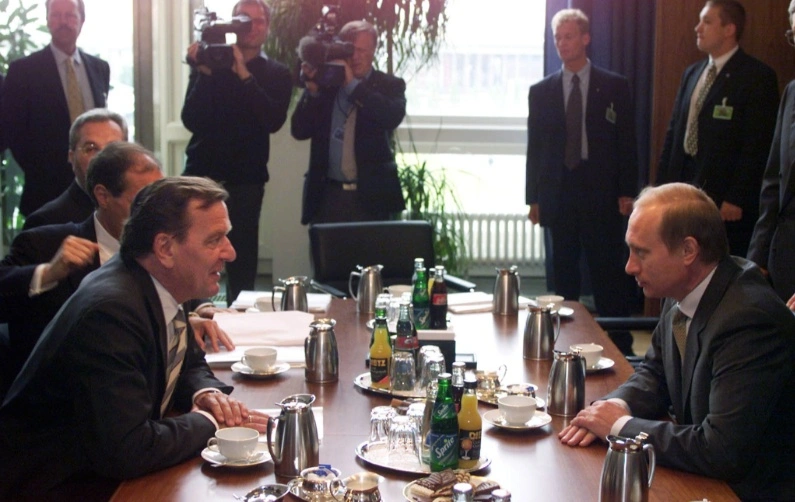
Former German Chancellor Schröder criticised for attending Putin's birthday
Section: News
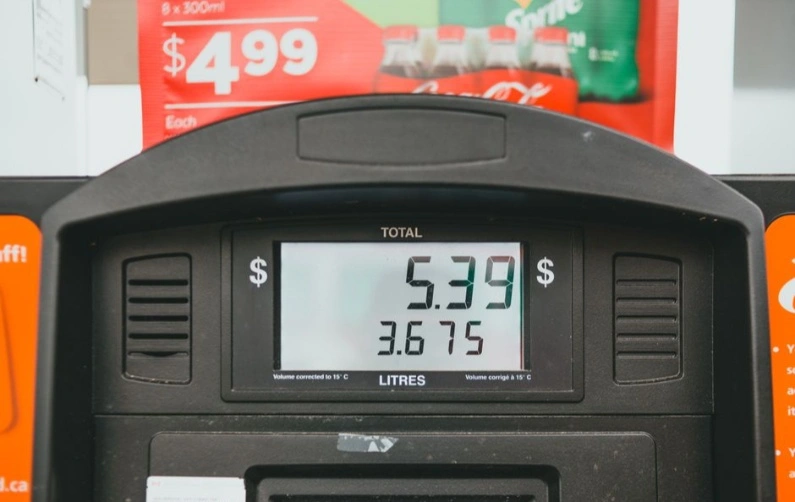
Recent policy discussions in Austria have focused on the future of fuel prices and taxation, sparking debate among political representatives and the public. Finance Minister Marterbauer has indicated a willingness to address concerns over rising fuel costs, while also signaling potential changes to tax benefits related to fuel consumption, such as the diesel privilege and commuter allowances, in the nation's 2027 budget plans.
These proposed adjustments have prompted criticism from opposition parties, particularly regarding the perceived impact on motorists. Concerns center around the possibility that while there may be talk of reducing fuel prices, simultaneous changes to tax policies could ultimately increase the financial burden on drivers. Political representatives argue that such measures could disproportionately affect individuals who rely on personal vehicles for commuting, especially in rural areas where alternatives to driving are limited.
The debate highlights the broader challenge faced by policymakers as they attempt to balance budgetary needs with the interests of various groups. The government has pointed to the necessity of reviewing environmentally related tax privileges, citing both fiscal and climate policy objectives. Advocates for reform argue that reducing incentives for fossil fuel use is essential for meeting environmental targets and securing long-term economic stability. However, critics claim that removing or reducing these benefits could unfairly target everyday commuters and families, potentially increasing their living costs.
Central to the discussion are longstanding tax provisions such as the diesel privilege, which currently allows for lower tax rates on diesel fuel compared to gasoline, and the commuter allowance, designed to offset transportation costs for workers who travel significant distances. Revisions to these measures, according to some commentators, would represent a shift in the government's approach to both environmental and fiscal policy.
Opposition parties have voiced concerns that motorists are being used as a primary source of additional state revenue, a trend they argue has continued across successive administrations. They stress that for many Austrians, particularly those living outside of major urban centers, owning and using a personal vehicle is not a luxury but a necessity for employment, access to healthcare, and daily life. They have called for policies that recognize these realities and avoid placing disproportionate financial stress on this segment of the population.
Supporters of the proposed changes contend that aligning tax policies with climate goals is both necessary and responsible. They argue that targeted reforms can be implemented alongside measures to mitigate negative impacts on vulnerable groups, such as enhanced support for low-income commuters or investments in public transportation infrastructure. The government has yet to release detailed plans on how any changes would be structured or what compensatory measures might be introduced.
As the debate continues, stakeholders from across the political spectrum and civil society are closely monitoring developments. The outcome will likely have significant implications not only for Austria's fiscal policy and environmental commitments but also for the daily lives of motorists and commuters throughout the country.
Section: News

Section: Science

Section: Business

Section: Business
Section: Science
Section: News
Section: Politics
Section: News

Section: Fashion
Section: Arts
Both private Health Insurance in Germany and public insurance, is often complicated to navigate, not to mention expensive. As an expat, you are required to navigate this landscape within weeks of arriving, so check our FAQ on PKV. For our guide on resources and access to agents who can give you a competitive quote, try our PKV Calculator.
Germany is famous for its medical expertise and extensive number of hospitals and clinics. See this comprehensive directory of hospitals and clinics across the country, complete with links to their websites, addresses, contact info, and specializations/services.
Didn't manage to get a ticket for Linkin Park? Or still not enough after the concert? Join us at CRASH on June 12th for our "IN THE END" Linkin Park Special + CORE NIGHT.All night long, we'll be playing Linkin Park's music, along with Nu Metal, Metalcore, and Alternative Rock from bands such as Limp...



No comments yet. Be the first to comment!