
German companies unprepared for AI-based cyber attacks
Section: Science
During recent diplomatic discussions in Vienna, Austrian and Czech leaders emphasized the importance of a unified approach to migration management and economic collaboration. Both countries expressed a strong commitment to intensifying bilateral cooperation in areas of shared concern, particularly in addressing challenges related to irregular migration and enhancing economic ties.
One of the principal topics was the necessity for firmer policies regarding irregular migration. The Austrian delegation underscored the need for effective measures, including the implementation of consistent repatriation processes for migrants with criminal records. This, they argued, is essential for maintaining social stability and upholding the rule of law within both nations. The Czech side agreed, highlighting the importance of coordinated European efforts to ensure border security and the efficient processing of asylum applications.
Economic cooperation emerged as another focal point of the talks. Both Austria and the Czech Republic acknowledged the value of deepening cross-border economic relations, aiming to facilitate trade, investment, and technological exchange. They discussed strategies to boost economic resilience in the face of global uncertainties, including the potential expansion of joint infrastructure projects and the development of collaborative research initiatives in key sectors such as energy, manufacturing, and information technology.
Despite broad agreement on migration and economic matters, the discussions revealed a divergence of views on energy policy, notably on the use of nuclear power. The Austrian representatives reiterated their government's longstanding position against nuclear energy, citing environmental and safety concerns. In contrast, the Czech side maintained that each country should exercise sovereignty when determining its energy mix, pointing to the continued role of nuclear power in their national energy strategy. Both parties agreed that while energy policy differences exist, these should not undermine the overall positive and constructive bilateral relationship.
The leaders also addressed the broader European context, recognizing the impact of regional developments on their countries. They called for enhanced coordination at the European Union level, particularly in the development of common standards for migration and asylum, as well as in advancing joint economic initiatives that benefit the region as a whole.
In summary, the meeting in Vienna marked a reaffirmation of Austria and the Czech Republic's shared commitment to pragmatic cooperation. Both countries aim to build on their common ground in migration and economic policy, while managing differences in other areas through dialogue and mutual respect. The diplomatic engagement signals ongoing efforts to foster stability, security, and prosperity for both nations and for Europe more broadly.
Section: Science

Section: Business

Section: Business

Section: Science

Section: News

Section: Politics

Section: News

Section: Fashion
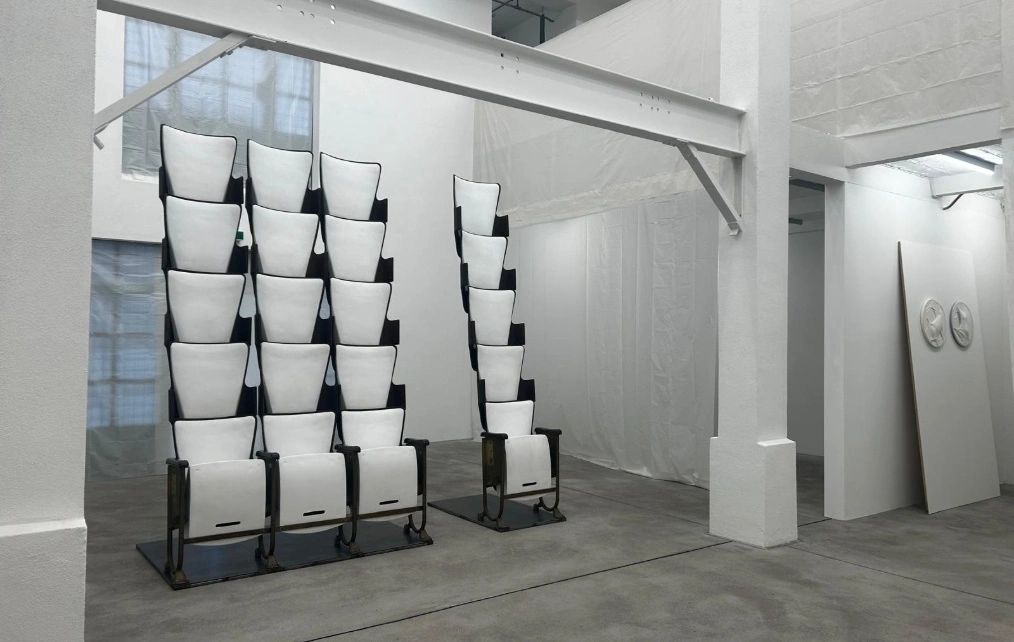
Section: Arts

Section: Fashion
Both private Health Insurance in Germany and public insurance, is often complicated to navigate, not to mention expensive. As an expat, you are required to navigate this landscape within weeks of arriving, so check our FAQ on PKV. For our guide on resources and access to agents who can give you a competitive quote, try our PKV Calculator.
Germany is famous for its medical expertise and extensive number of hospitals and clinics. See this comprehensive directory of hospitals and clinics across the country, complete with links to their websites, addresses, contact info, and specializations/services.
Didn't manage to get a ticket for Linkin Park? Or still not enough after the concert? Join us at CRASH on June 12th for our "IN THE END" Linkin Park Special + CORE NIGHT.All night long, we'll be playing Linkin Park's music, along with Nu Metal, Metalcore, and Alternative Rock from bands such as Limp...



No comments yet. Be the first to comment!