
Gipsy Kings: "Music Is a Natural Way of Life"
Section: Arts
Researchers from Washington University School of Medicine have uncovered crucial cellular entry mechanisms for yellow fever and tick-borne encephalitis viruses, paving the way for innovative prevention and treatment approaches. These breakthroughs, detailed in two recent scientific studies, reveal how these viruses invade human cells and present a promising strategy to inhibit their spread using specially engineered decoy molecules.
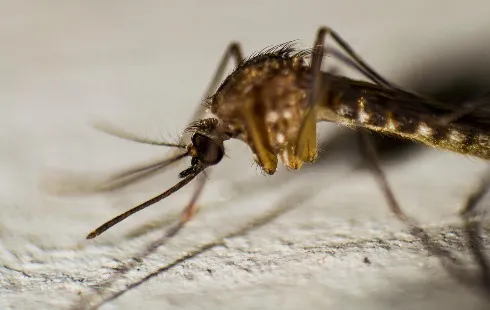
Yellow fever and tick-borne encephalitis are significant public health concerns, especially as climate changes facilitate the expansion of their mosquito and tick vectors into new regions. Both viruses are part of a wider family that includes Zika, dengue, West Nile, and Japanese encephalitis, all of which have been increasing in prevalence and geographic reach.
Understanding Viral Entry into Human CellsAlthough yellow fever and tick-borne encephalitis have posed threats for decades, the precise routes these viruses use to breach human cell defenses were previously unclear. The recent studies identified that a family of proteins found on the surface of cells, known as low-density lipoprotein receptors (LDLR), serve as key entry points for these viruses. By using advanced genetic techniques, including CRISPR gene editing, researchers determined that yellow fever virus primarily exploits the LRP1, LRP4, and VLDLR receptors, while tick-borne encephalitis virus relies on LRP8 to infiltrate cells.
The discovery that these specific receptors facilitate viral entry sheds light on why each virus targets particular organs. For instance, LRP1 is abundant in liver cells, correlating with the severe liver effects seen in yellow fever, whereas LRP8 is predominantly found in nervous system tissue, aligning with the neurological damage characteristic of tick-borne encephalitis.
Engineering Decoy Molecules to Prevent InfectionBuilding on their insights into viral entry, the research team developed decoy molecules designed to mimic the identified cell receptors. These decoys consist of receptor fragments combined with antibody components, which attract the viruses and prevent them from attaching to actual human cells. Laboratory experiments demonstrated that these decoy molecules effectively protected human and mouse cells from infection in vitro.
Further tests in animal models showed that administering the decoy molecules shielded immunodeficient mice from lethal doses of yellow fever virus and prevented liver damage in mice with human liver cells. The approach holds significant promise because the decoys are based on stable human proteins, making it harder for the rapidly mutating viruses to develop resistance without compromising their ability to infect human cells.
Implications for Future Treatments and VaccinesCurrently, treatment options for both yellow fever and tick-borne encephalitis are limited. The only available yellow fever vaccine contains a live attenuated virus, restricting its use among individuals with weakened immune systems. For tick-borne encephalitis, vaccines exist for some but not all subtypes, and primarily target travelers at high risk.
The identification of these critical viral entry routes and the successful application of decoy molecules represent a significant advancement toward new therapeutics. By targeting the early stages of viral infection, these findings could facilitate the development of next-generation antiviral drugs and safer, more effective vaccines, potentially reducing the burden of these diseases in vulnerable populations.
The studies highlight the importance of understanding virus-host interactions and demonstrate how molecular insights can translate into tangible medical innovations. As the threat from mosquito- and tick-borne viruses continues to grow globally, such research is vital for public health preparedness and response.
Section: Arts

Section: Fashion

Section: Health Insurance

Section: News

Section: Politics

Section: Business
Section: Health

Section: Arts

Section: Politics

Section: Business
Both private Health Insurance in Germany and public insurance, is often complicated to navigate, not to mention expensive. As an expat, you are required to navigate this landscape within weeks of arriving, so check our FAQ on PKV. For our guide on resources and access to agents who can give you a competitive quote, try our PKV Cost comparison tool.
Germany is famous for its medical expertise and extensive number of hospitals and clinics. See this comprehensive directory of hospitals and clinics across the country, complete with links to their websites, addresses, contact info, and specializations/services.
Didn't manage to get a ticket for Linkin Park? Or still not enough after the concert? Join us at CRASH on June 12th for our "IN THE END" Linkin Park Special + CORE NIGHT.All night long, we'll be playing Linkin Park's music, along with Nu Metal, Metalcore, and Alternative Rock from bands such as Limp...



No comments yet. Be the first to comment!