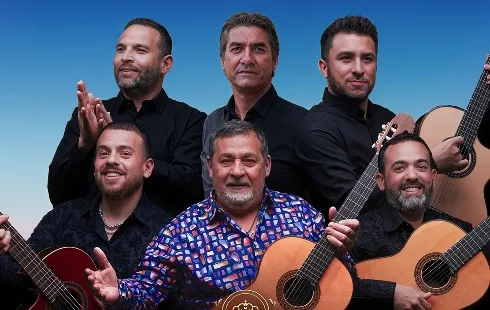
Gipsy Kings: "Music Is a Natural Way of Life"
Section: Arts
The extensive infrastructure initiative encompassing the Koralmtunnel and the Koralmbahn is playing a pivotal role in enhancing cultural cooperation between the Austrian regions of Carinthia and Styria. As one of the most significant railway projects in Central Europe, the Koralmbahn is not only transforming travel and logistics but also contributing to a renewed appreciation of the shared historical and cultural ties between these regions.
This development is highlighted by the upcoming exhibition at the Museum für Geschichte in Graz, staged in partnership with the Kärnten Museum in Klagenfurt. The exhibition is designed to explore common historical narratives and perspectives, emphasizing how infrastructure projects such as the Koralmbahn can act as catalysts for cultural dialogue and understanding. The collaboration between these institutions underscores a broader initiative to foster regional identity and mutual appreciation through cultural programming.
The Koralmbahn, featuring the 33-kilometer-long Koralmtunnel, is set to significantly reduce travel times between Graz in Styria and Klagenfurt in Carinthia. This enhanced connection not only supports economic and logistical integration but also opens new opportunities for cross-regional collaboration in arts, culture, and education. By linking previously separated communities, the railway encourages the exchange of ideas and traditions, making it a symbol of unity and progress.
The exhibition in Graz aims to highlight the intertwined histories of Carinthia and Styria, showcasing artifacts, multimedia presentations, and educational resources that reflect both regions' cultural evolution. Visitors will have the opportunity to engage with exhibits that demonstrate how the regions developed, interacted, and influenced each other throughout history. The museum's program seeks to broaden public awareness of the shared heritage, while also promoting contemporary cultural projects that benefit from improved accessibility and cooperation.
While the primary focus of the Koralmbahn is on infrastructure and transportation, its secondary effects extend into regional development. Improved connectivity is expected to boost tourism and foster greater participation in cultural events, as residents and visitors find it easier to travel between the two states. Municipalities along the railway line are already preparing to integrate the new transport possibilities into their cultural calendars, allowing for joint festivals, exhibitions, and educational programs that highlight the unique yet interconnected identities of Carinthia and Styria.
Experts in regional planning and cultural management note that such infrastructure projects can have a lasting impact on societal cohesion. By making travel more accessible, the Koralmbahn encourages not only economic growth but also social and cultural integration. Local governments and cultural organizations are seizing this opportunity to strengthen ties, promote regional history, and create new platforms for artistic expression and dialogue.
In summary, the Koralmbahn project demonstrates how modern infrastructure can be leveraged to bridge historical divides and foster a sense of shared community. The exhibition at the Museum für Geschichte in Graz, in collaboration with the Kärnten Museum, serves as a testament to the enduring power of cultural exchange and the vital role that transportation networks play in shaping regional identities. As the Koralmbahn nears completion, its impact is expected to resonate far beyond the realms of travel and commerce, laying the groundwork for a more integrated and culturally dynamic future for Carinthia and Styria.
Section: Arts

Section: Fashion

Section: Health Insurance

Section: News

Section: Politics
Section: Business

Section: Health

Section: Arts
Section: Politics
Section: Business
Both private Health Insurance in Germany and public insurance, is often complicated to navigate, not to mention expensive. As an expat, you are required to navigate this landscape within weeks of arriving, so check our FAQ on PKV. For our guide on resources and access to agents who can give you a competitive quote, try our PKV Cost comparison tool.
Germany is famous for its medical expertise and extensive number of hospitals and clinics. See this comprehensive directory of hospitals and clinics across the country, complete with links to their websites, addresses, contact info, and specializations/services.
Didn't manage to get a ticket for Linkin Park? Or still not enough after the concert? Join us at CRASH on June 12th for our "IN THE END" Linkin Park Special + CORE NIGHT.All night long, we'll be playing Linkin Park's music, along with Nu Metal, Metalcore, and Alternative Rock from bands such as Limp...



No comments yet. Be the first to comment!