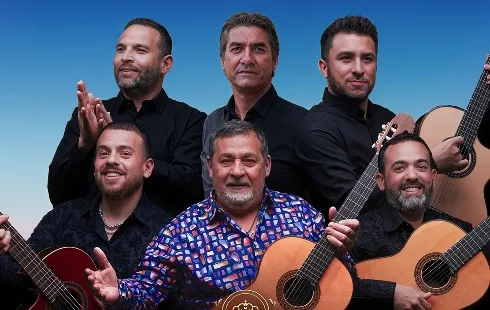
Gipsy Kings: "Music Is a Natural Way of Life"
Section: Arts
On November 23, 1980, southern Italy experienced one of the most catastrophic natural disasters in its modern history when a powerful earthquake struck the region. The seismic event resulted in the tragic loss of approximately 3,000 lives and left around 300,000 individuals without homes, marking a somber chapter in Italy's record of natural calamities.
The earthquake, which struck the Campania and Basilicata regions, registered a magnitude of 6.9 on the Richter scale. The epicenter was located near the town of Conza della Campania, causing widespread destruction across several provinces. The tremors were felt throughout southern Italy, with communities in Avellino, Salerno, and Potenza bearing the brunt of the disaster.
Entire towns and villages were reduced to rubble as the force of the earthquake caused buildings to collapse, infrastructure to fail, and roads to become impassable. Emergency responders faced significant challenges in reaching affected areas due to the extensive damage to transportation networks and blocked access routes. The immediate aftermath saw a massive mobilization of rescue teams, volunteers, and military personnel, all working tirelessly to search for survivors under the debris and provide urgent medical care.
The human toll was staggering. In addition to the thousands who lost their lives, hundreds of thousands were rendered homeless overnight, forced to seek shelter in makeshift camps and temporary accommodations. The psychological impact on survivors and the broader community was profound, as families and entire neighborhoods grappled with the loss of loved ones and the destruction of their homes.
The Italian government declared a state of emergency and initiated a large-scale relief operation, deploying resources and aid to the hardest-hit regions. International assistance also poured in from neighboring countries and humanitarian organizations, highlighting the global response to the disaster. Efforts focused not only on immediate rescue and relief but also on providing food, water, medical supplies, and temporary housing for displaced residents.
The rebuilding process was long and arduous, with many communities facing years of reconstruction and recovery. The earthquake exposed vulnerabilities in the region's infrastructure and building standards, prompting reviews of seismic safety regulations and increased emphasis on disaster preparedness in subsequent years.
The 1980 southern Italy earthquake remains a significant event in the nation's collective memory, serving as a reminder of the devastating power of natural disasters and the importance of coordinated emergency response efforts. The tragedy also led to lasting changes in how Italy approaches disaster management, infrastructure resilience, and community support in the face of future emergencies.
Section: Arts

Section: Fashion

Section: Health Insurance

Section: News

Section: Politics
Section: Business

Section: Health

Section: Arts

Section: Politics

Section: Business
Both private Health Insurance in Germany and public insurance, is often complicated to navigate, not to mention expensive. As an expat, you are required to navigate this landscape within weeks of arriving, so check our FAQ on PKV. For our guide on resources and access to agents who can give you a competitive quote, try our PKV Cost comparison tool.
Germany is famous for its medical expertise and extensive number of hospitals and clinics. See this comprehensive directory of hospitals and clinics across the country, complete with links to their websites, addresses, contact info, and specializations/services.
Didn't manage to get a ticket for Linkin Park? Or still not enough after the concert? Join us at CRASH on June 12th for our "IN THE END" Linkin Park Special + CORE NIGHT.All night long, we'll be playing Linkin Park's music, along with Nu Metal, Metalcore, and Alternative Rock from bands such as Limp...



No comments yet. Be the first to comment!